 Image 1 of 5
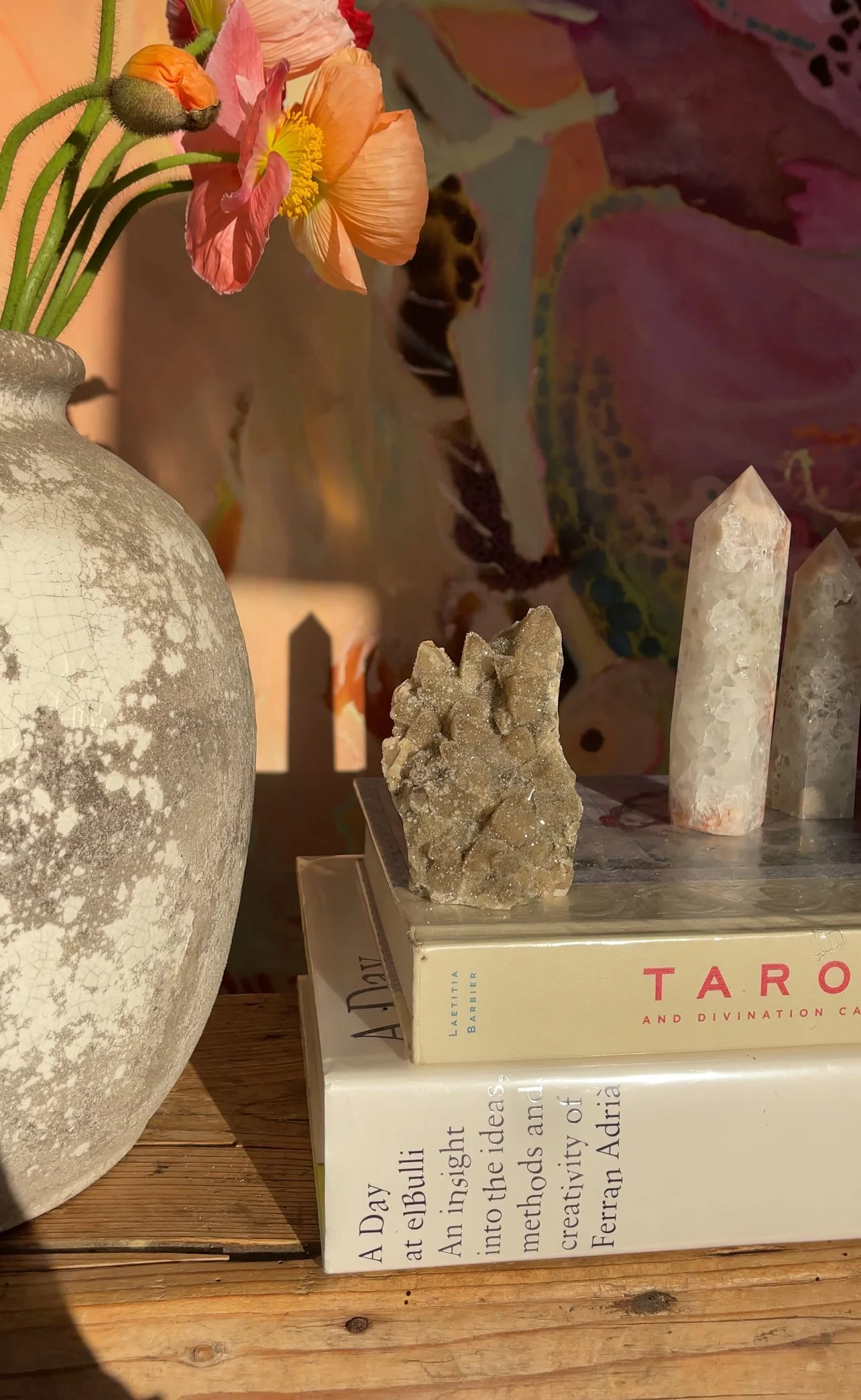 Image 2 of 5
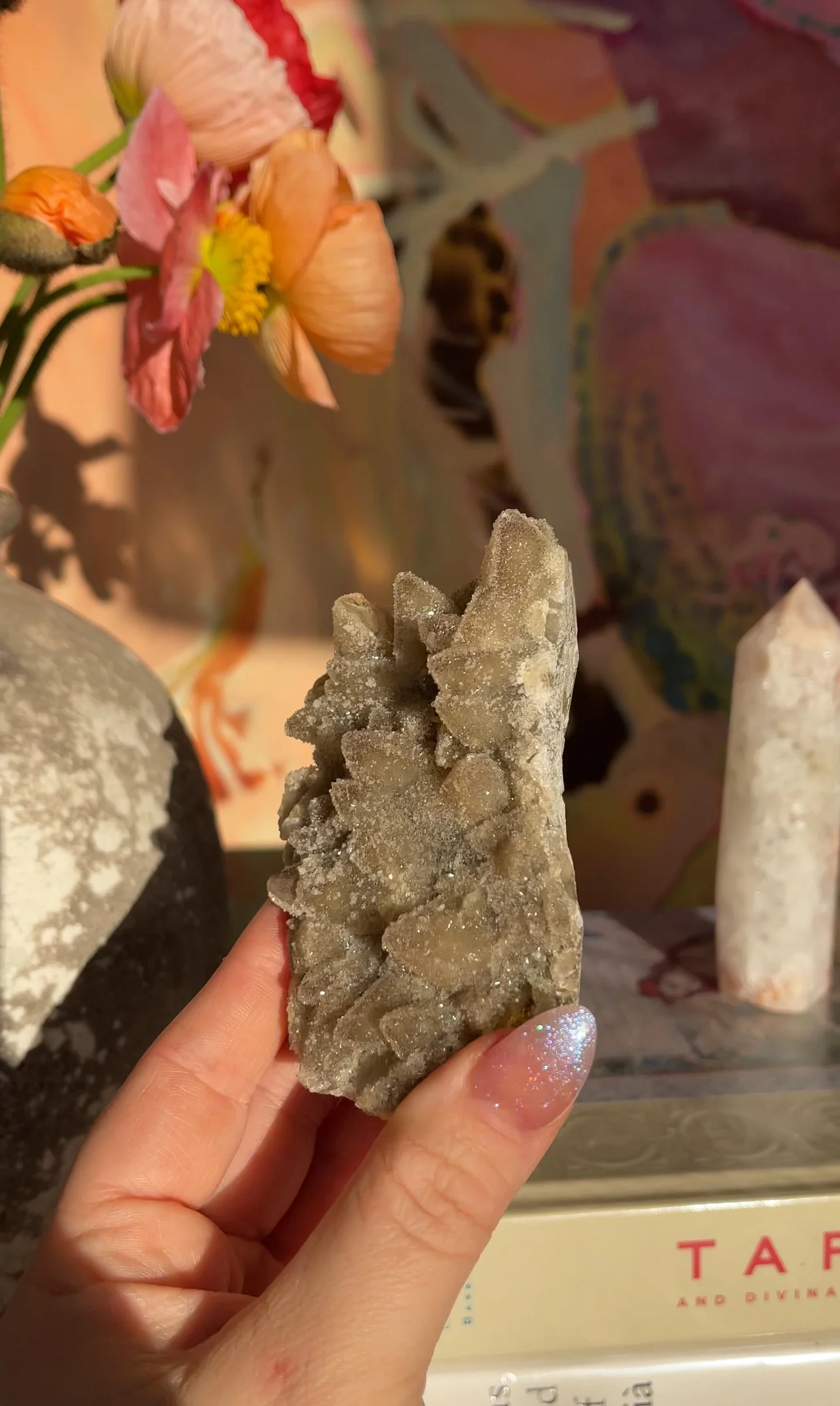 Image 3 of 5
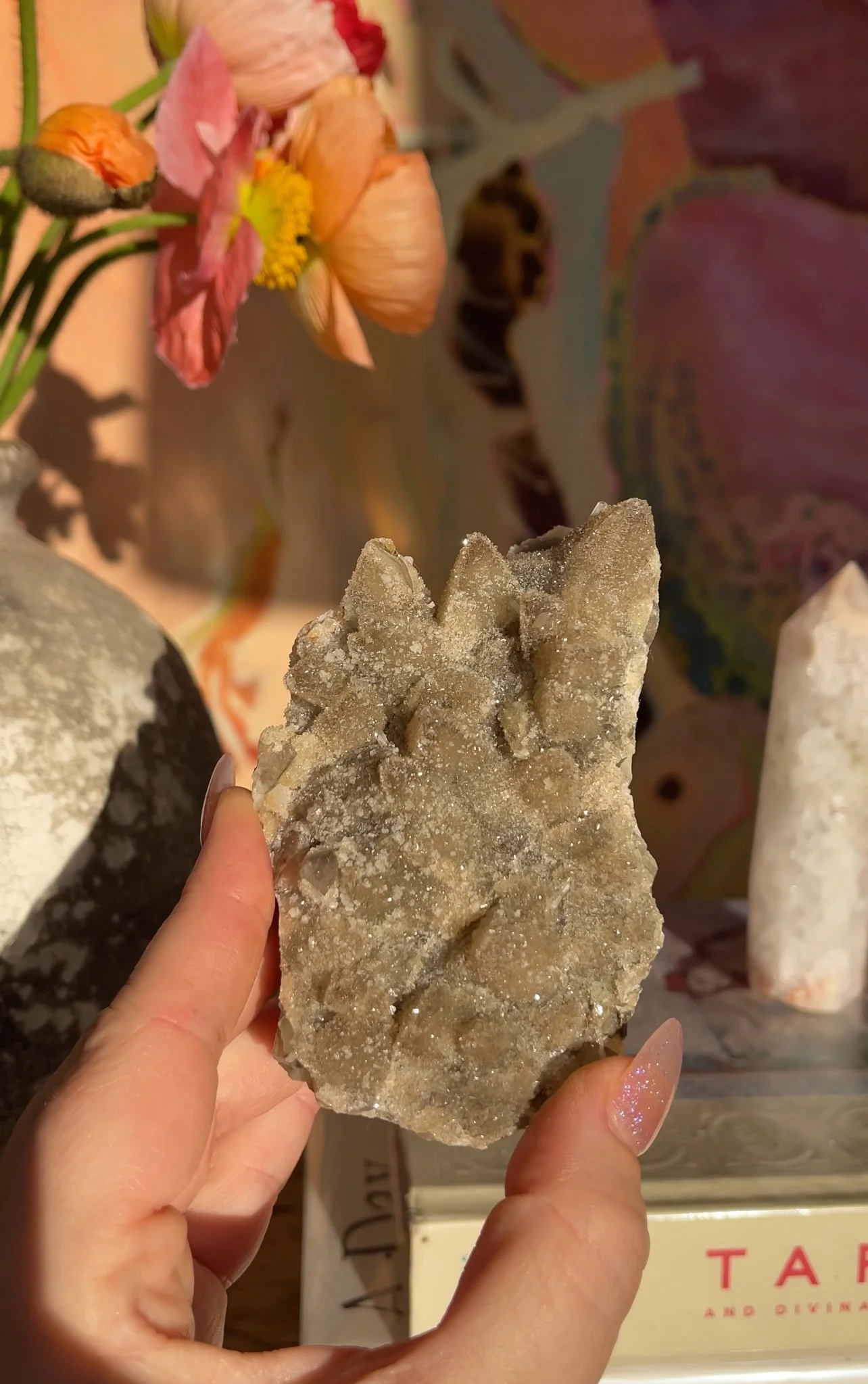 Image 4 of 5
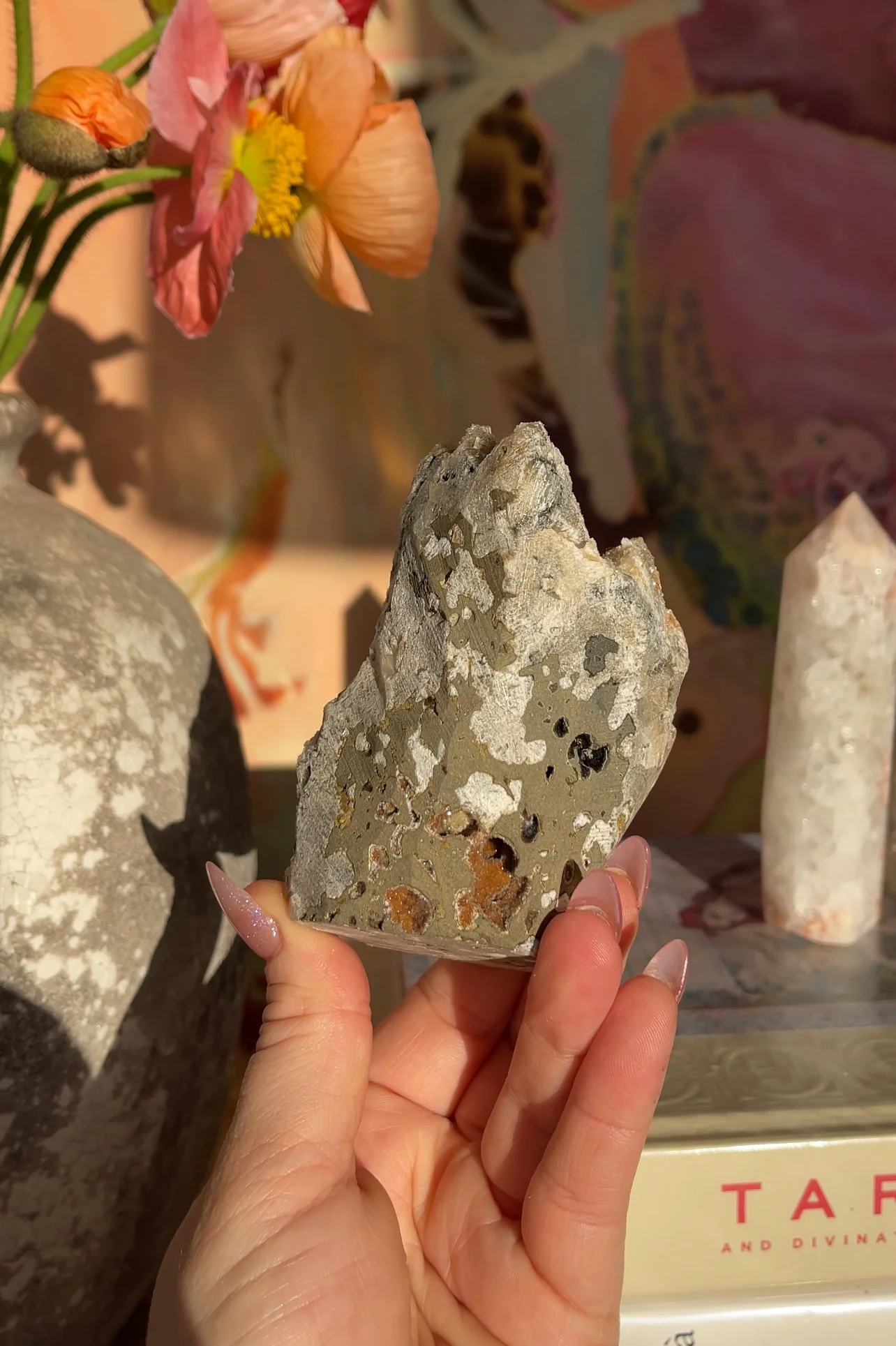 Image 5 of 5
SUBRA ✦ OMICRON LEONIS
“The Lion’s Back”
Grace · Expression · Confidence · Self-Possession
Subra is a star system in the constellation Leo. Its traditional name comes from the Arabic zubra, meaning “the upper part of the back.”
In traditional fixed-star astrology, Subra is associated with the planetary nature of Venus and Mercury. Venus bringing grace, attraction and harmony, while Mercury brings intellect, expression and perception.
Spiritually, this gives Subra an energy of carrying yourself with confidence and grace, trusting your own mind, expressing yourself authentically and allowing your presence to speak for itself.
A star for standing confidently in who you are and expressing yourself without shrinking.
Subra is part of a multiple-star system, with the principal star itself belonging to a close spectroscopic pair. A spectroscopic pair is two stars orbiting each other so closely that we can’t easily see them as two separate stars through a telescope. Astronomers know there are two because their light spectrum shifts as they orbit one another.
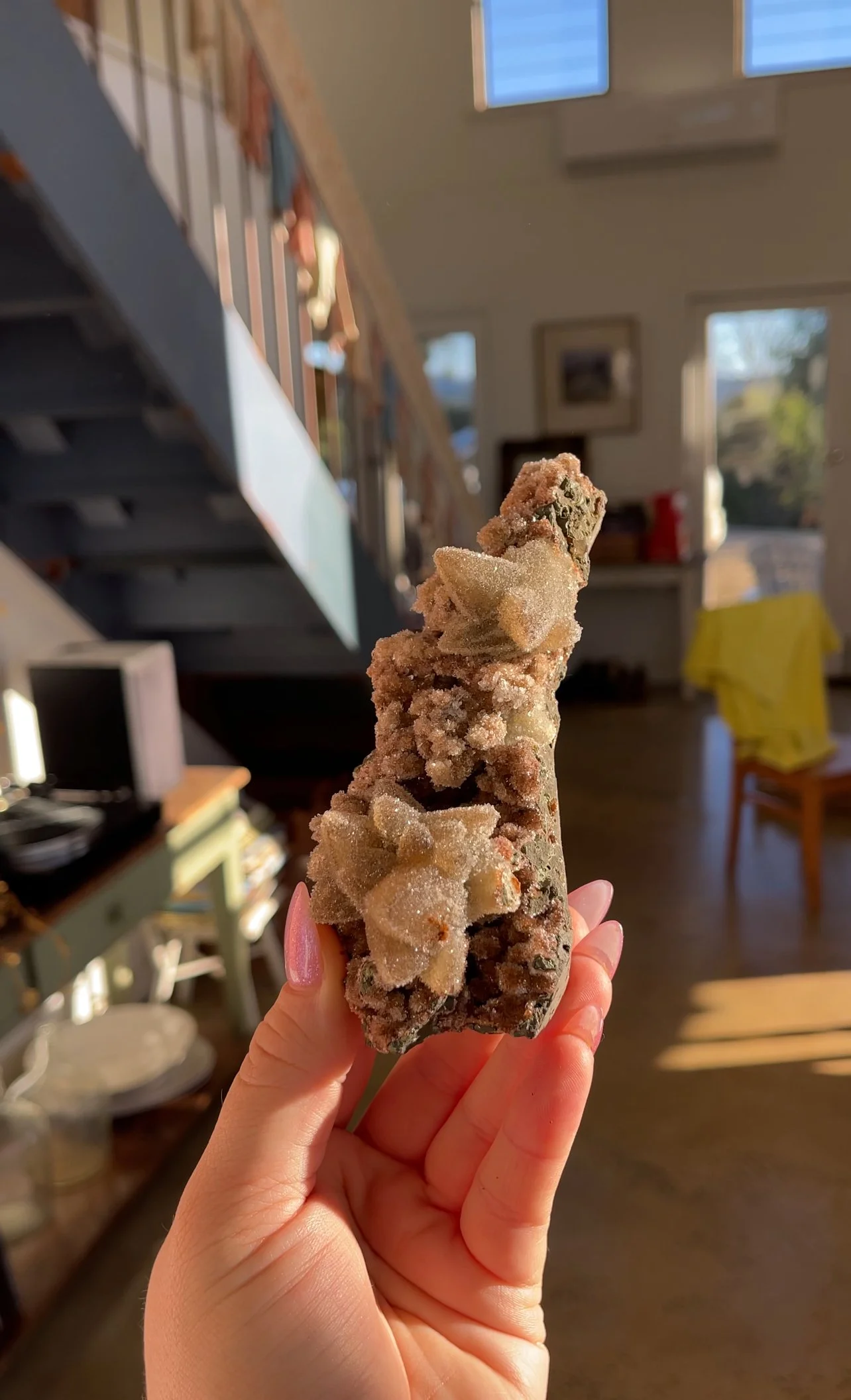
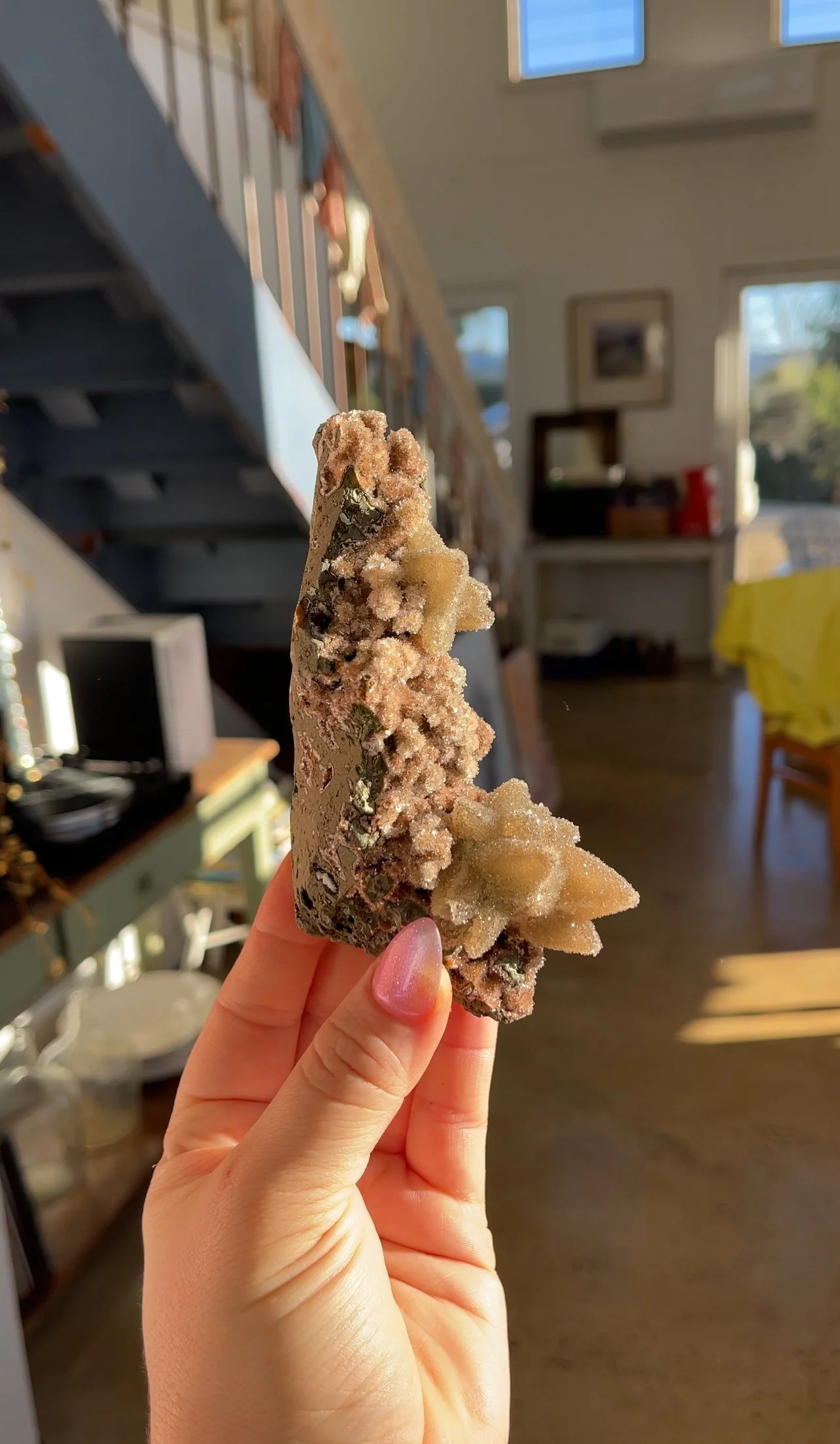
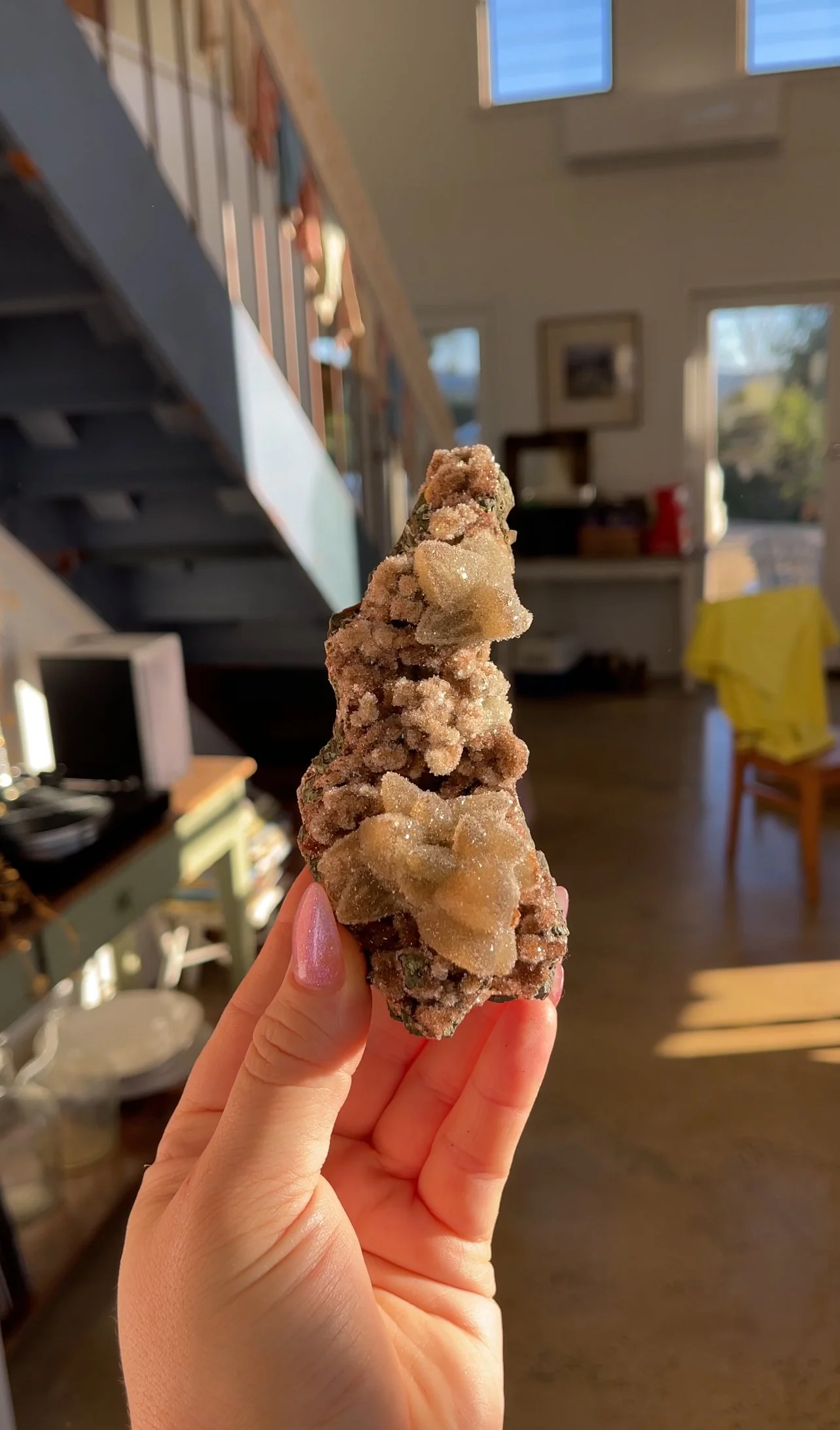
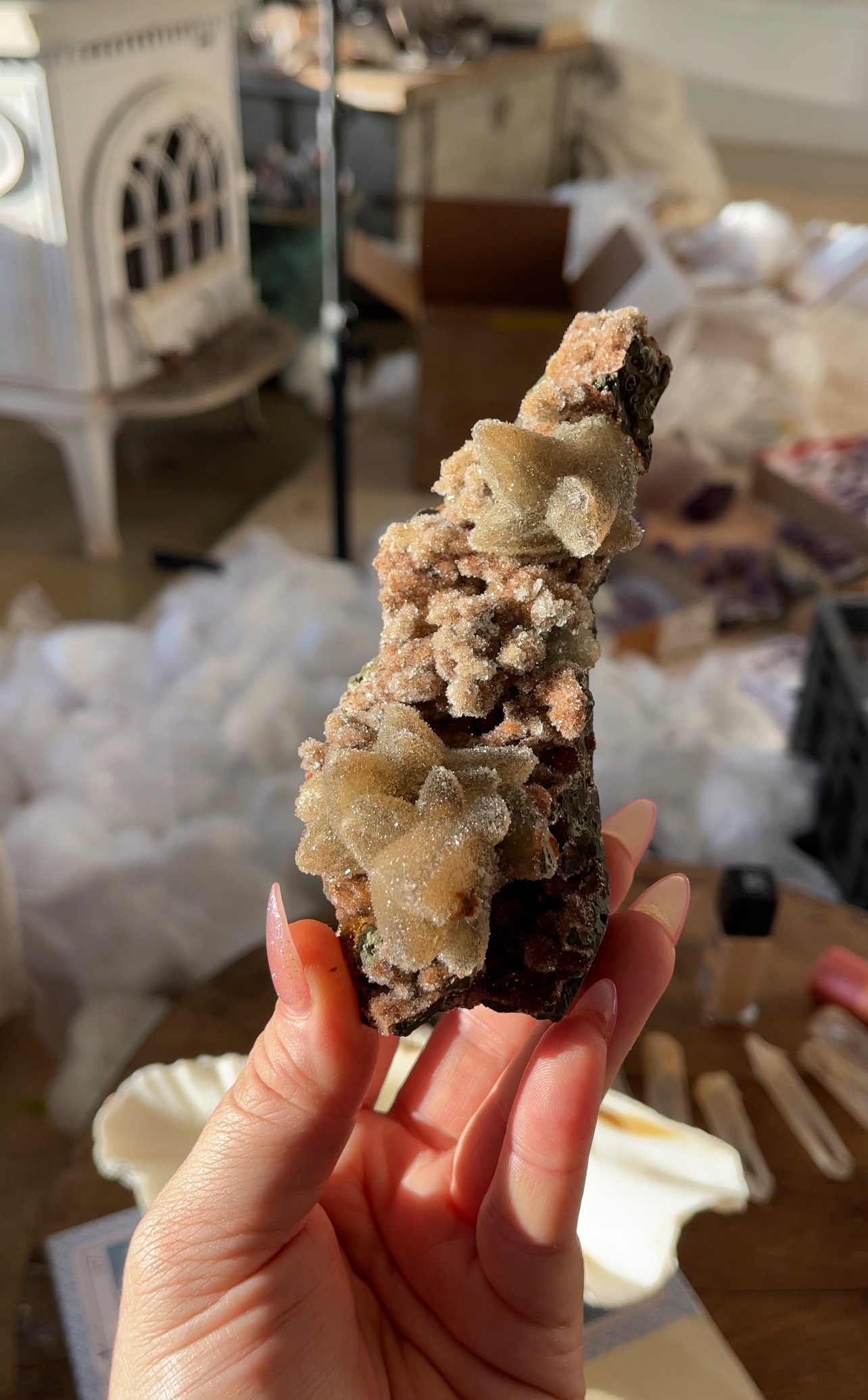
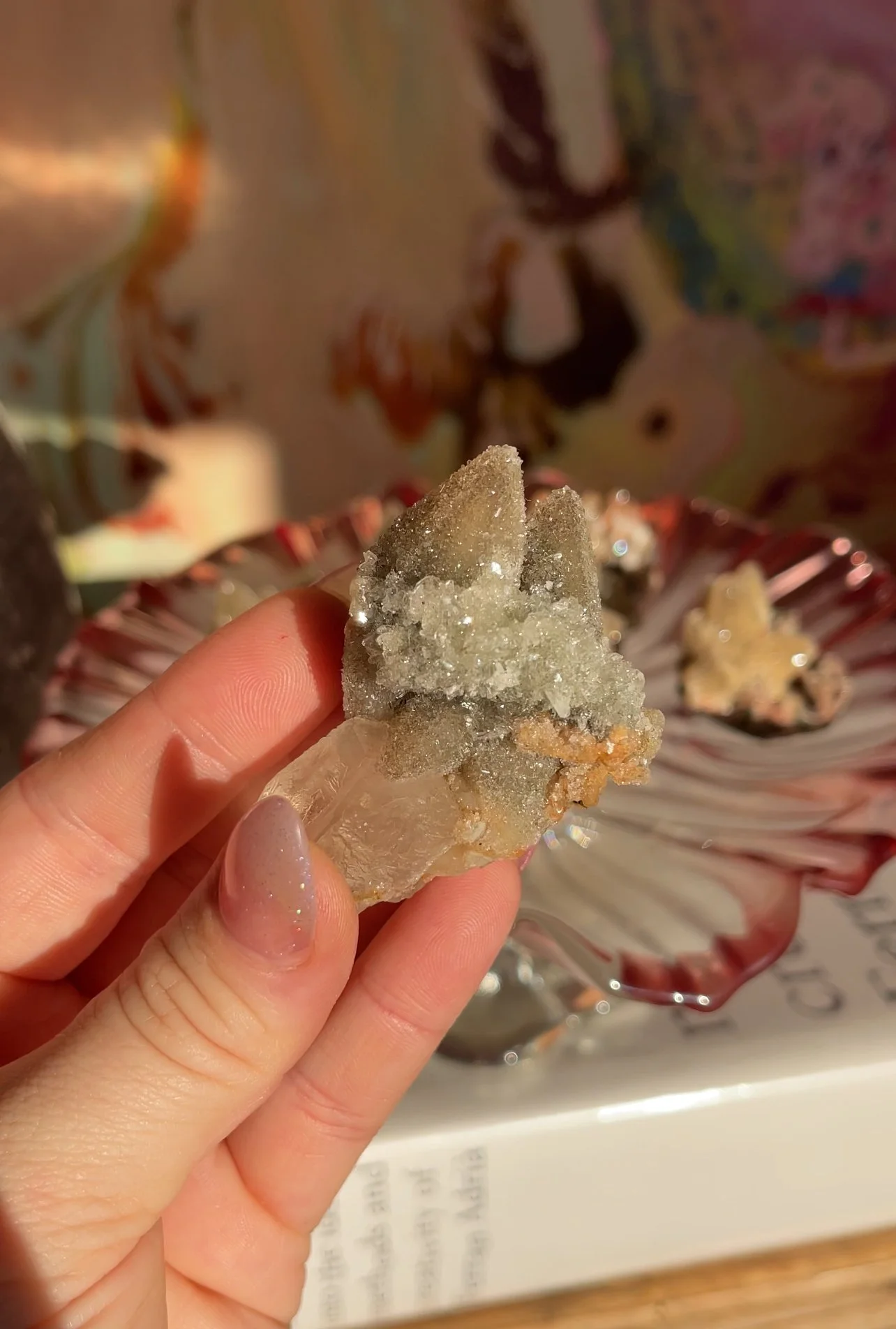
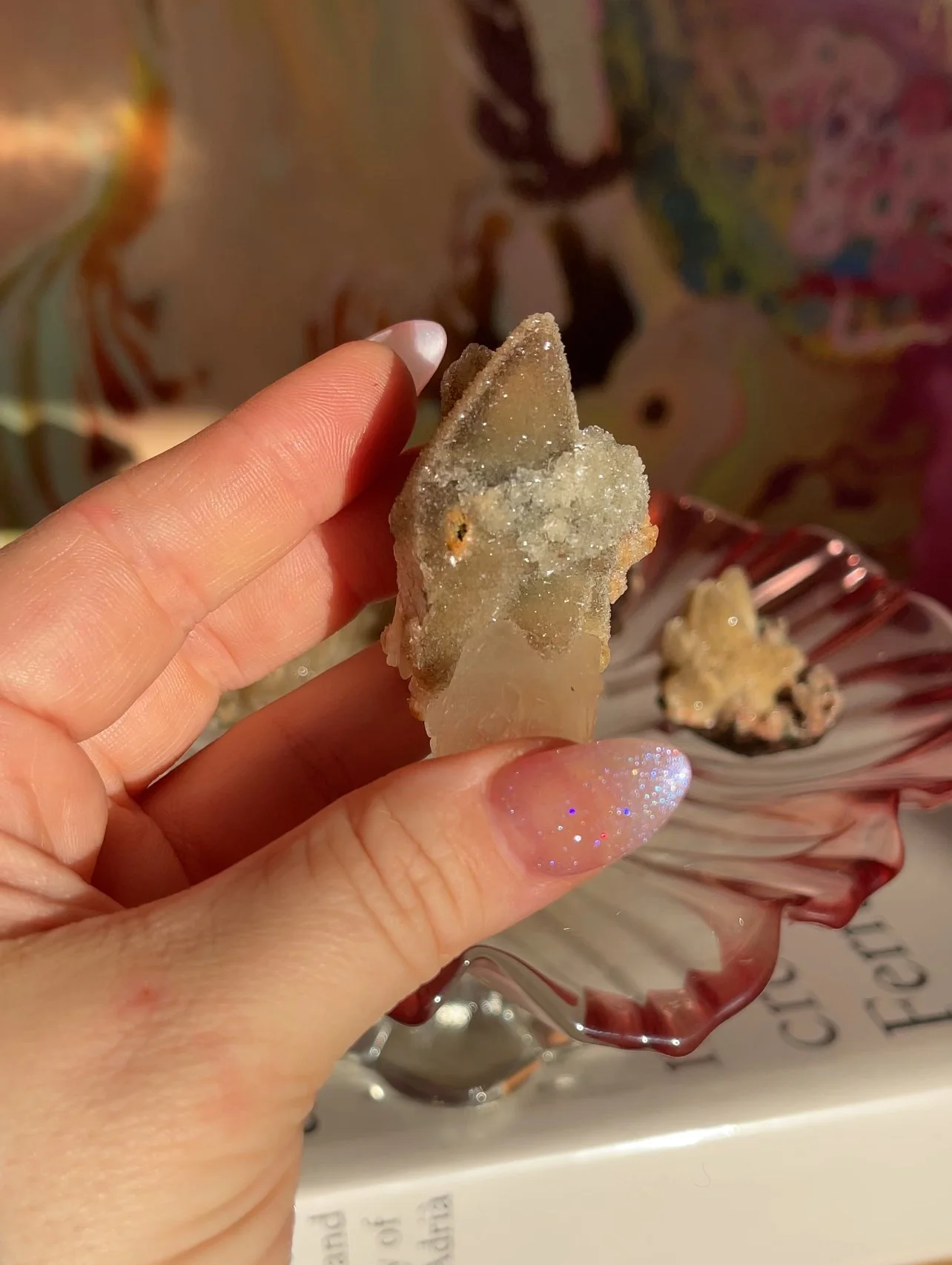
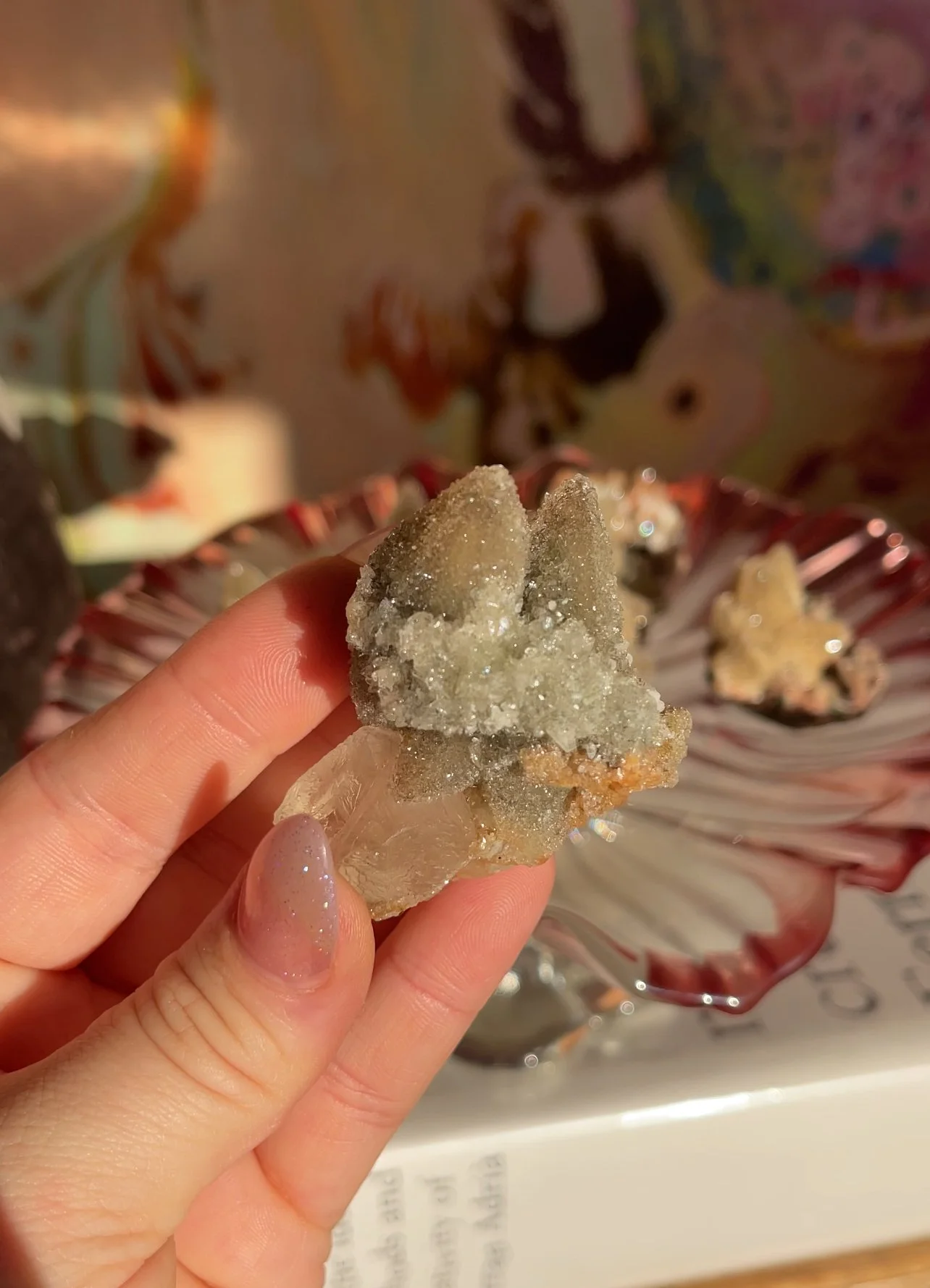
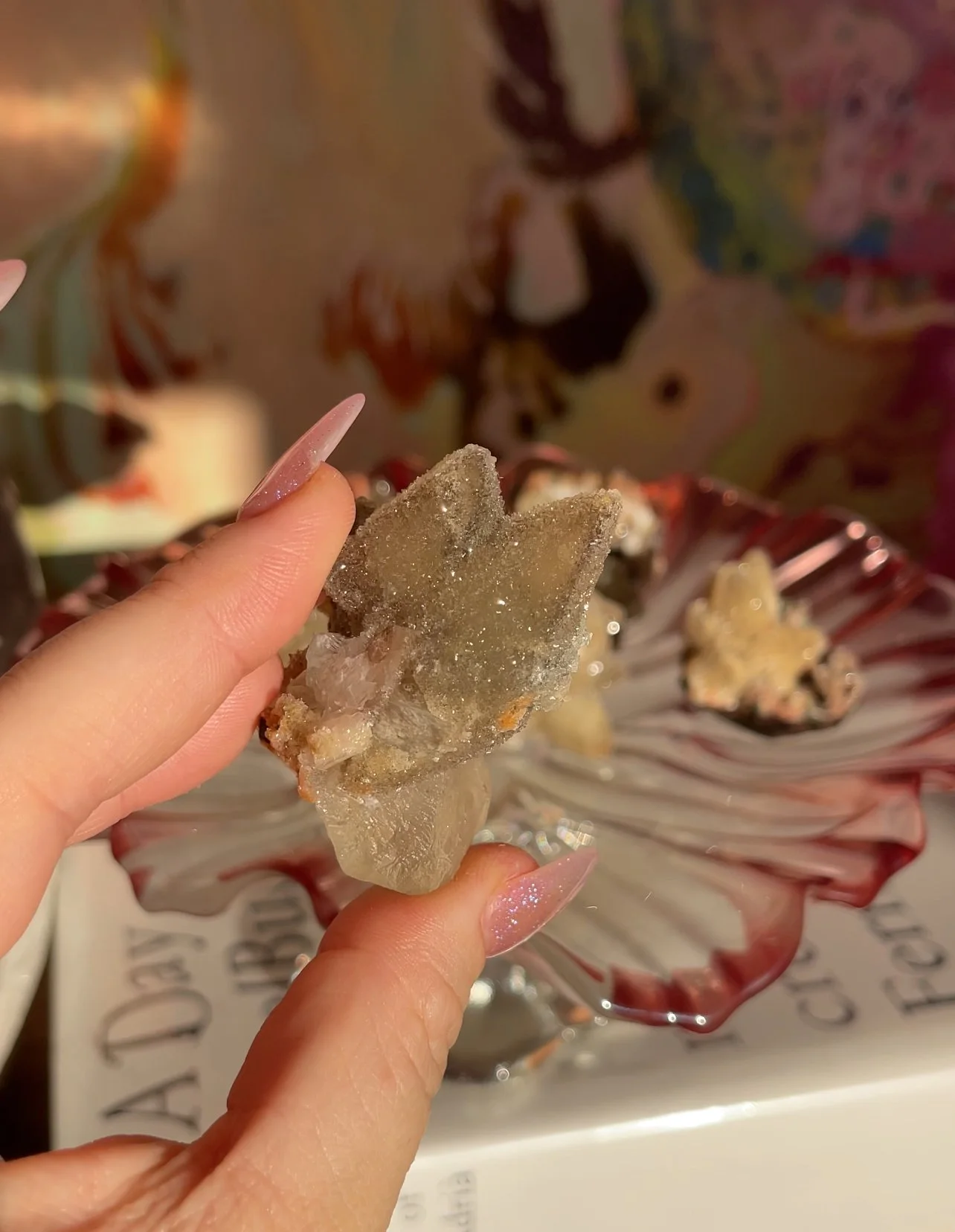
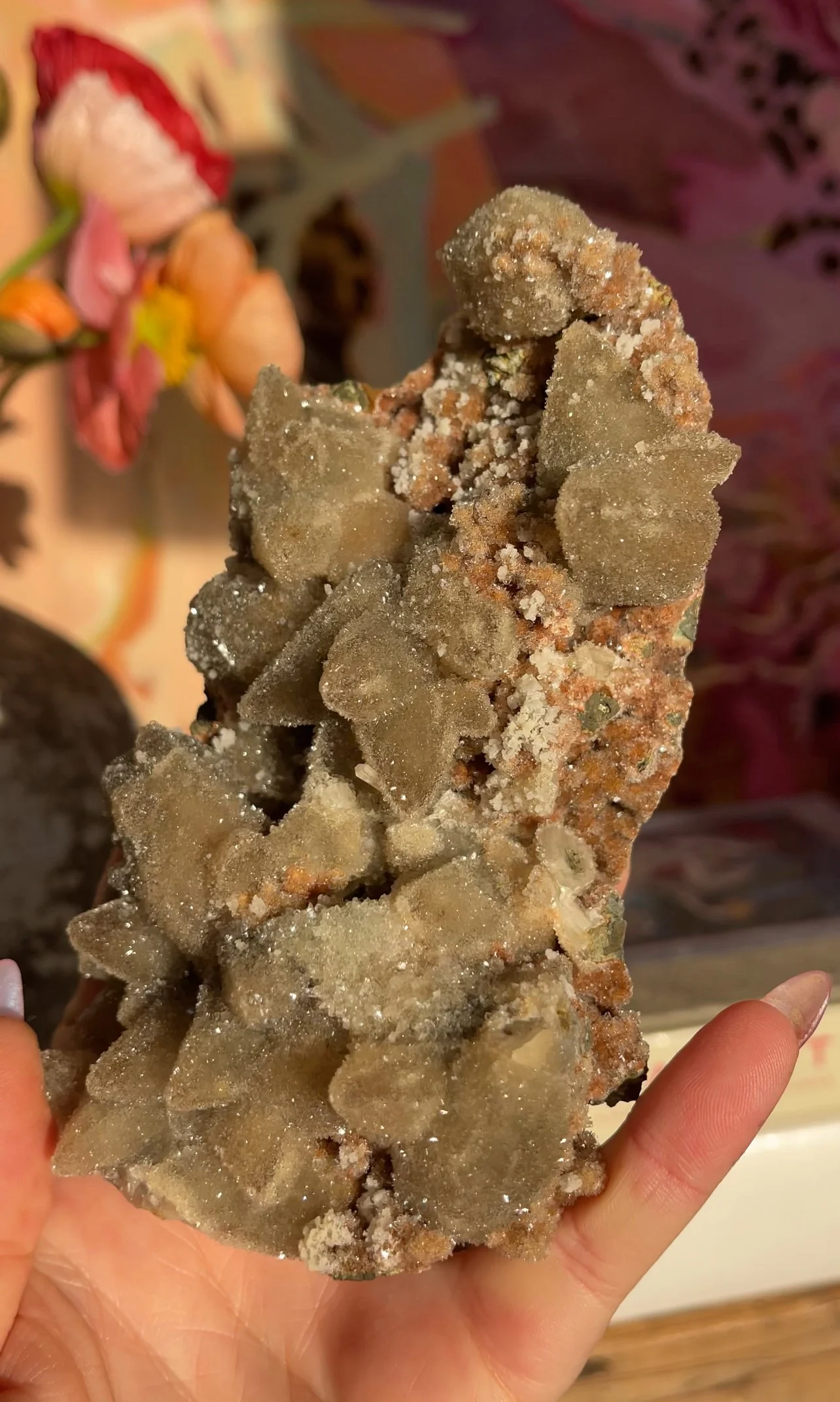
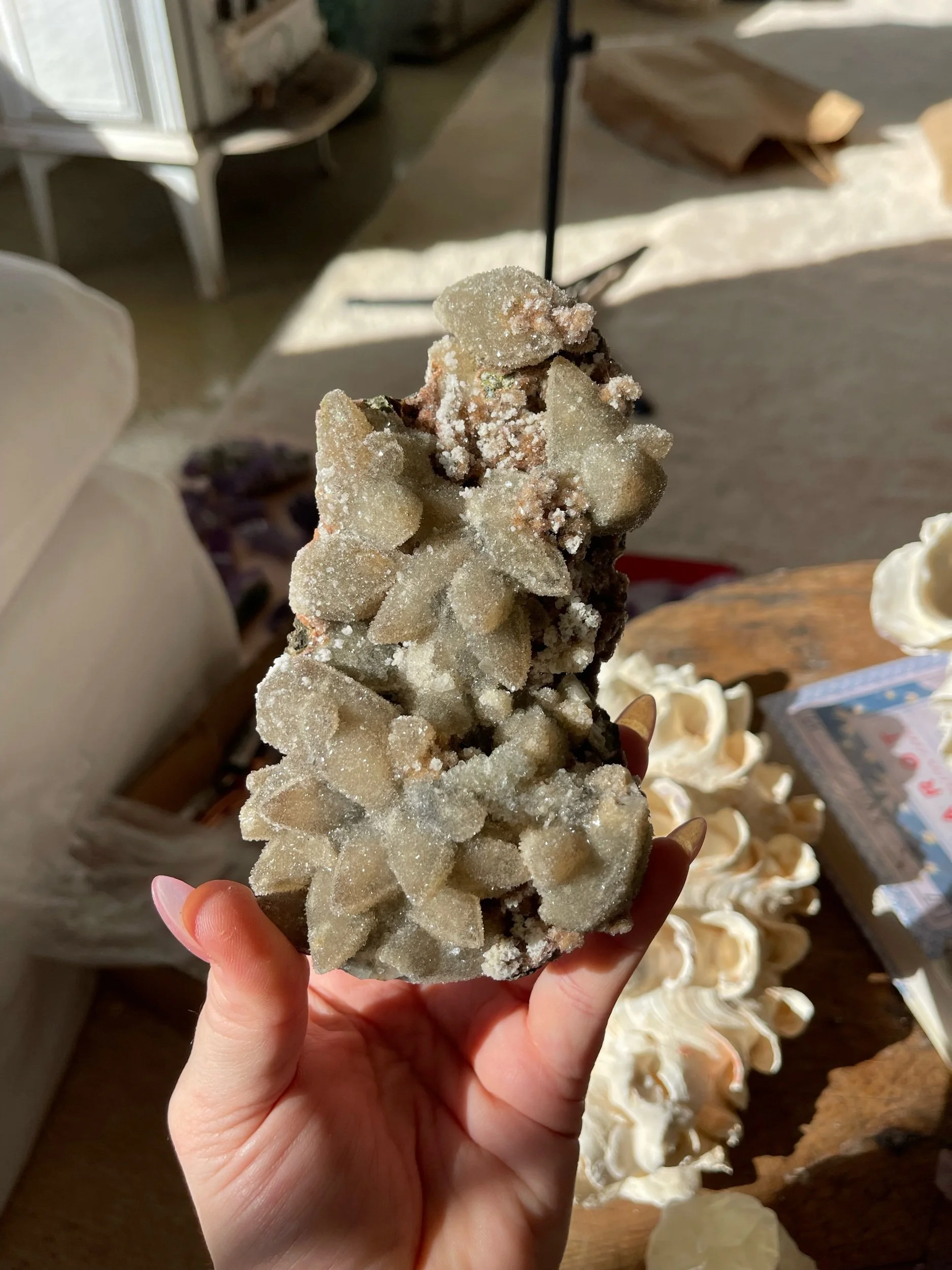
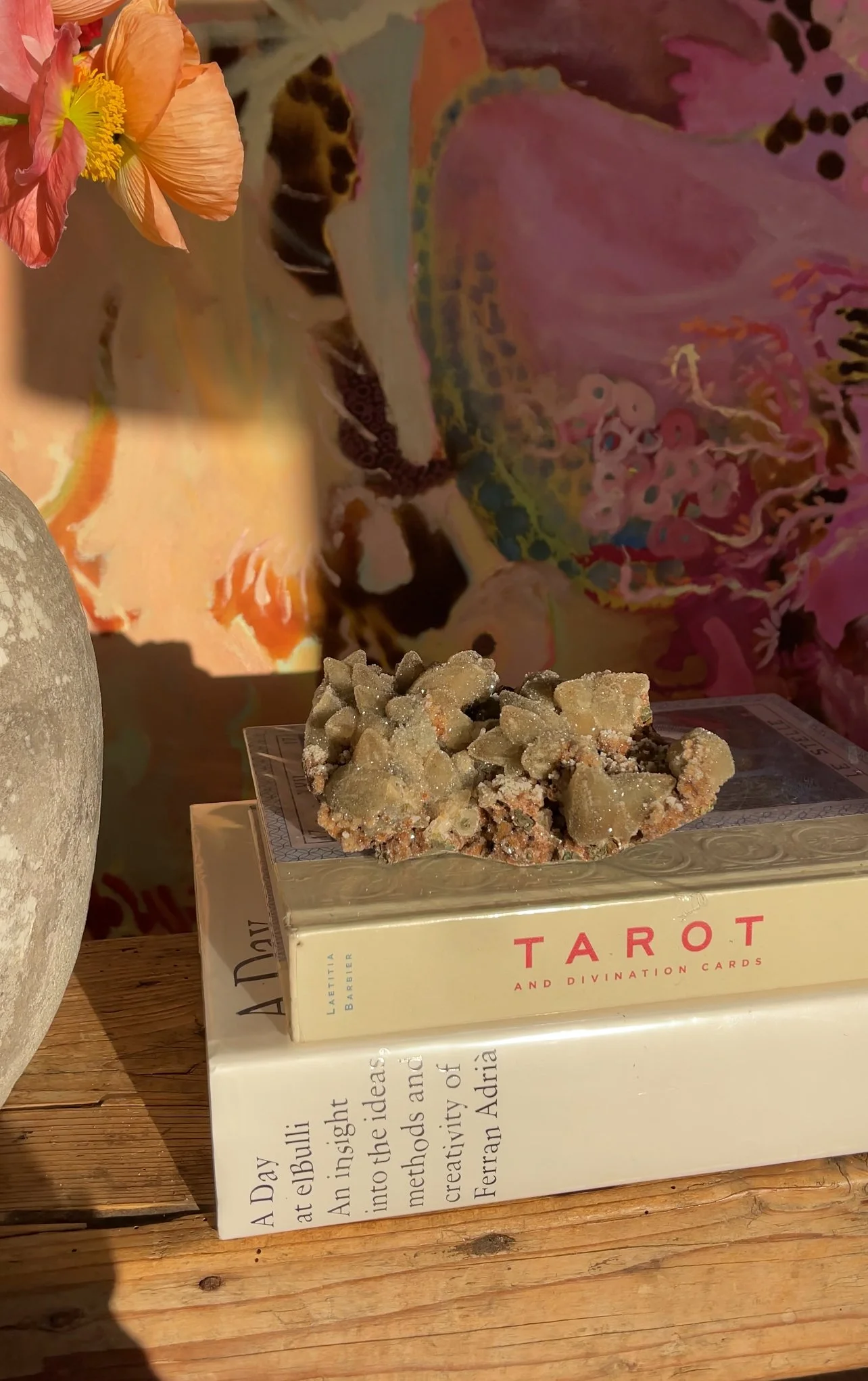
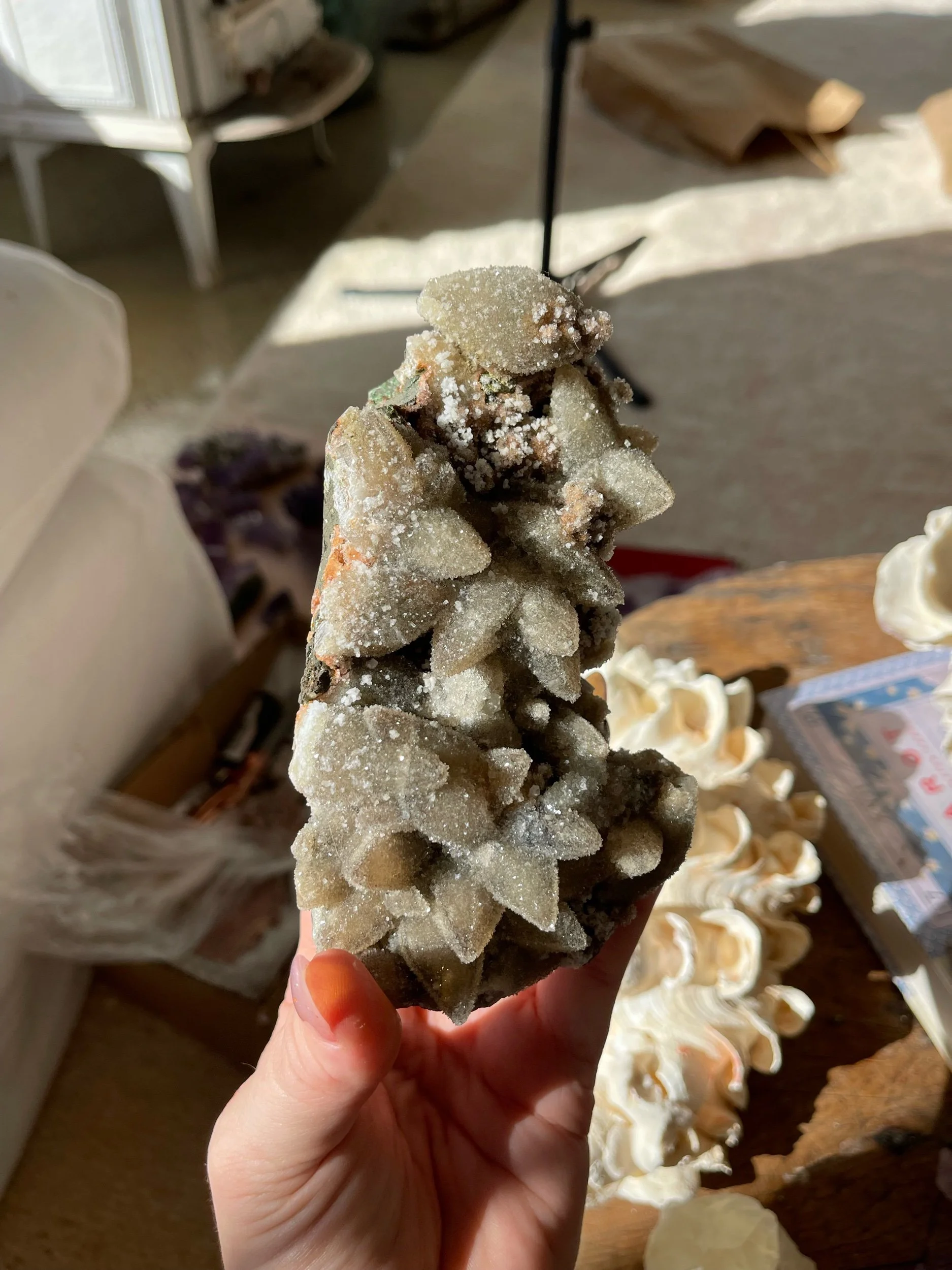
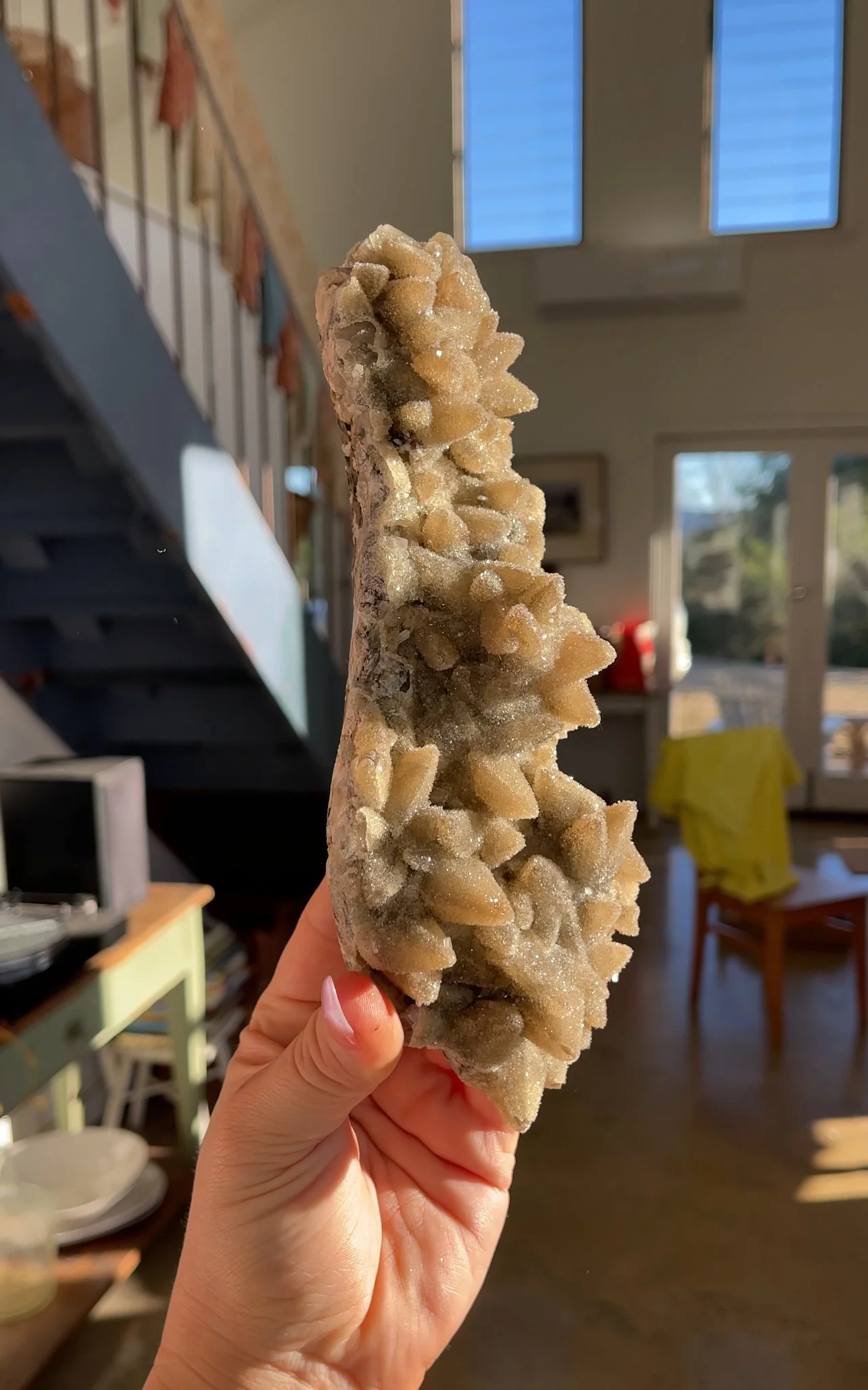
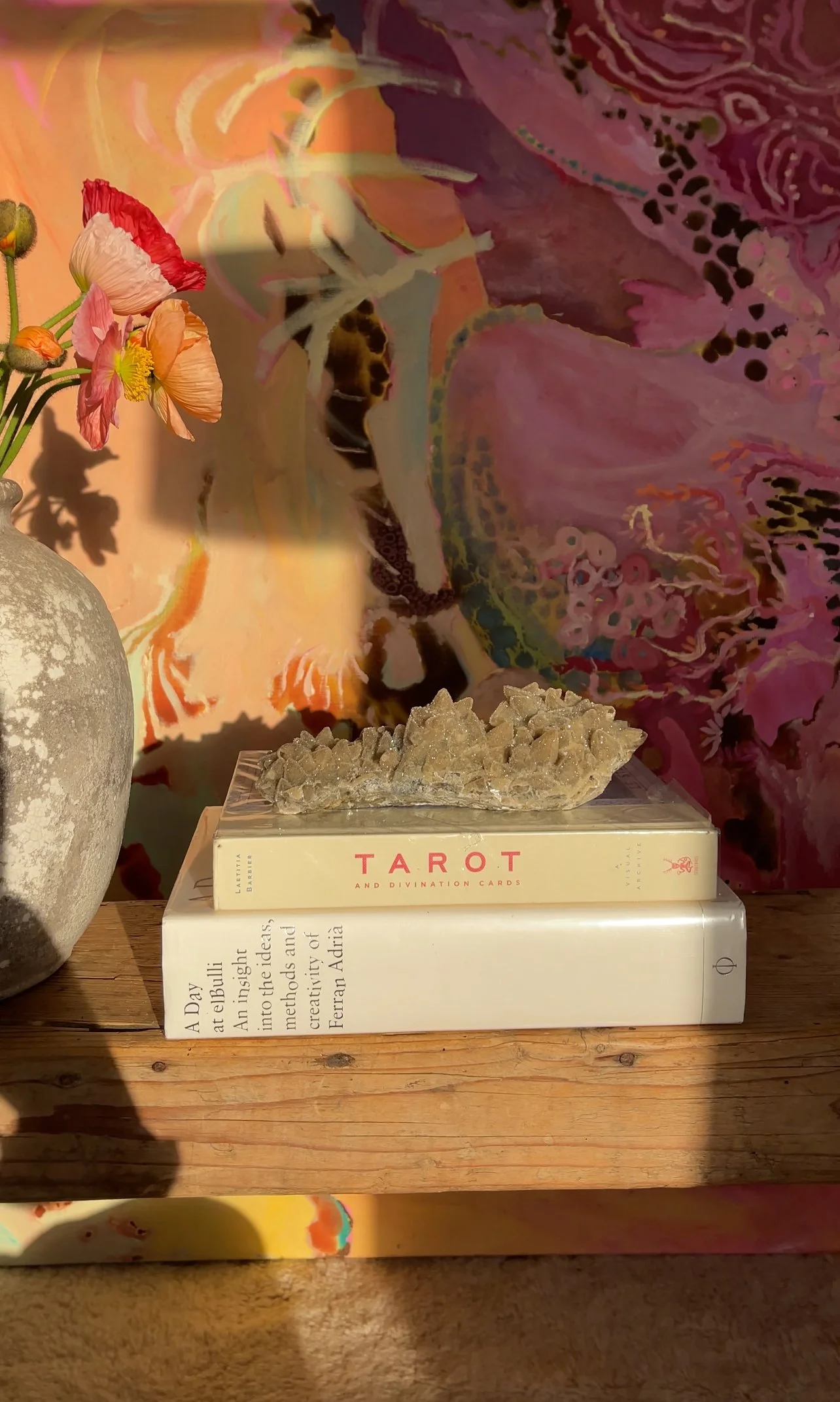
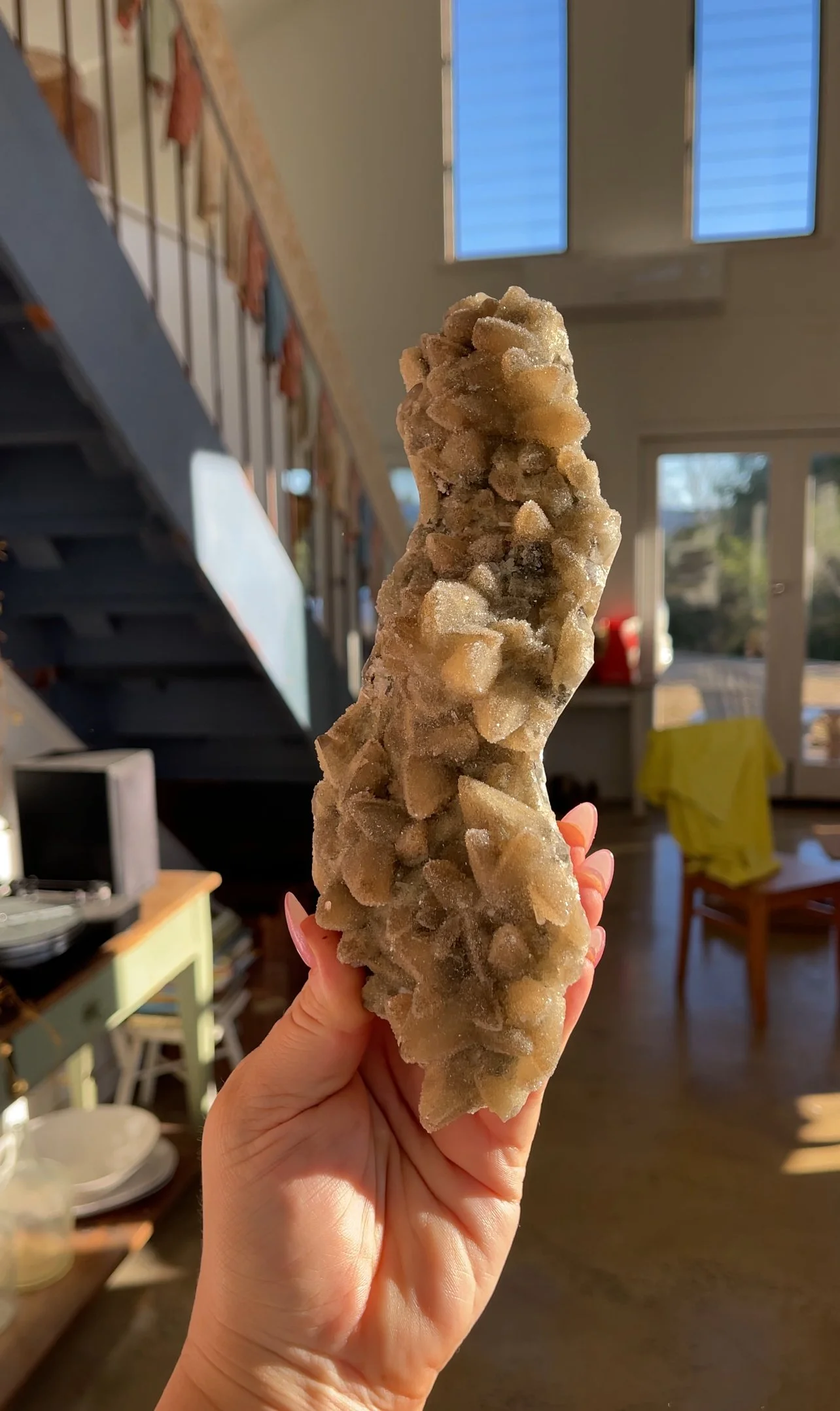
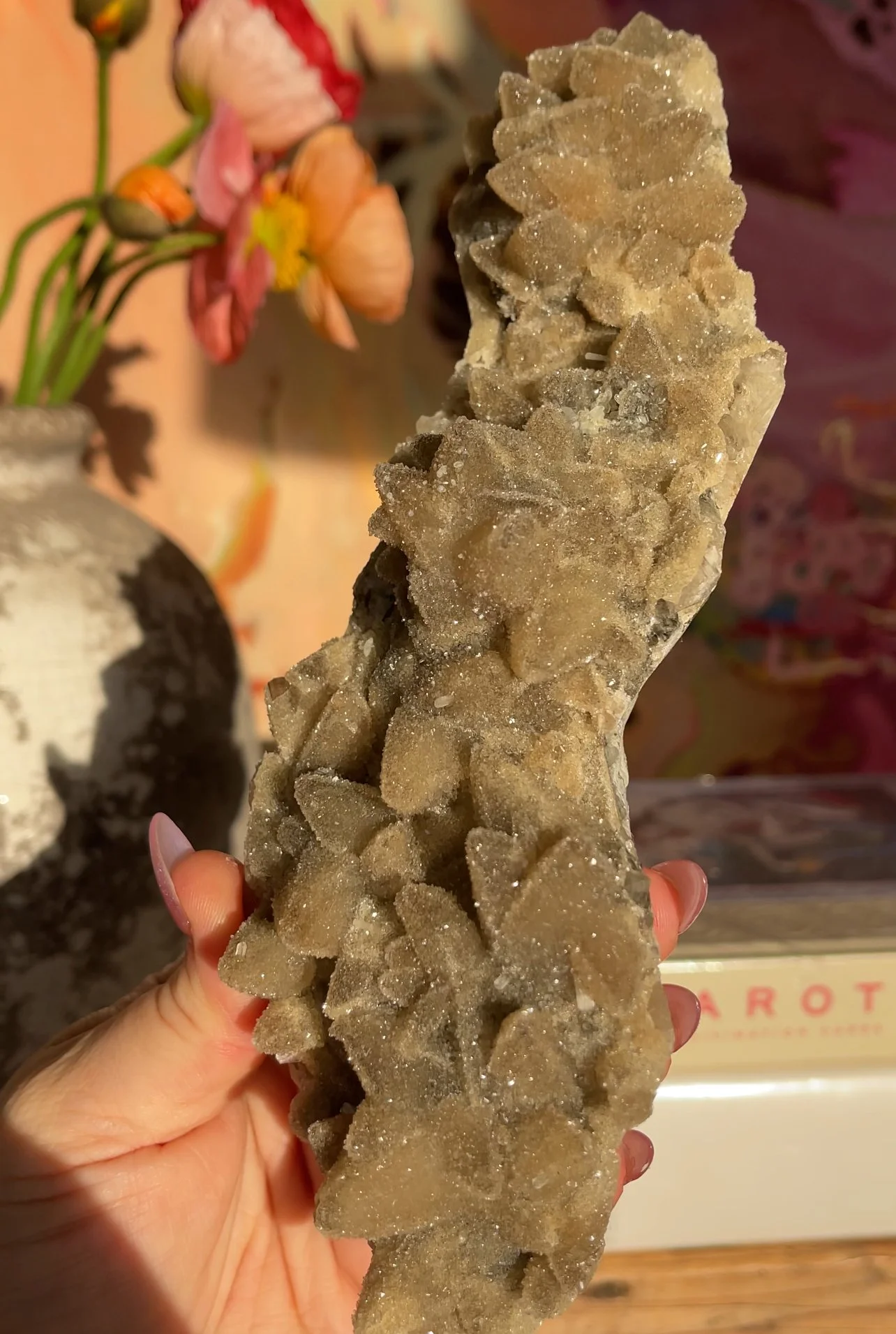
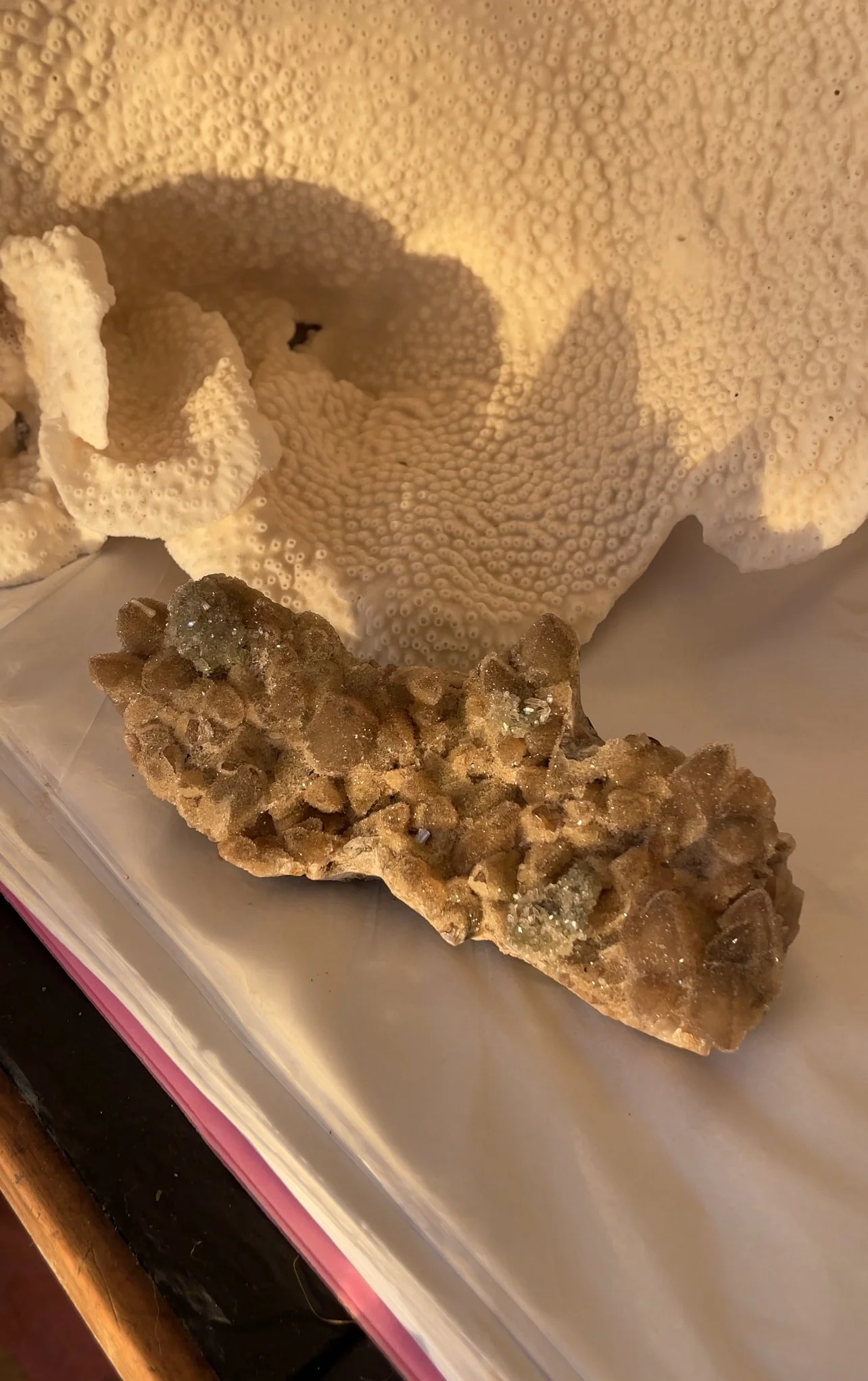
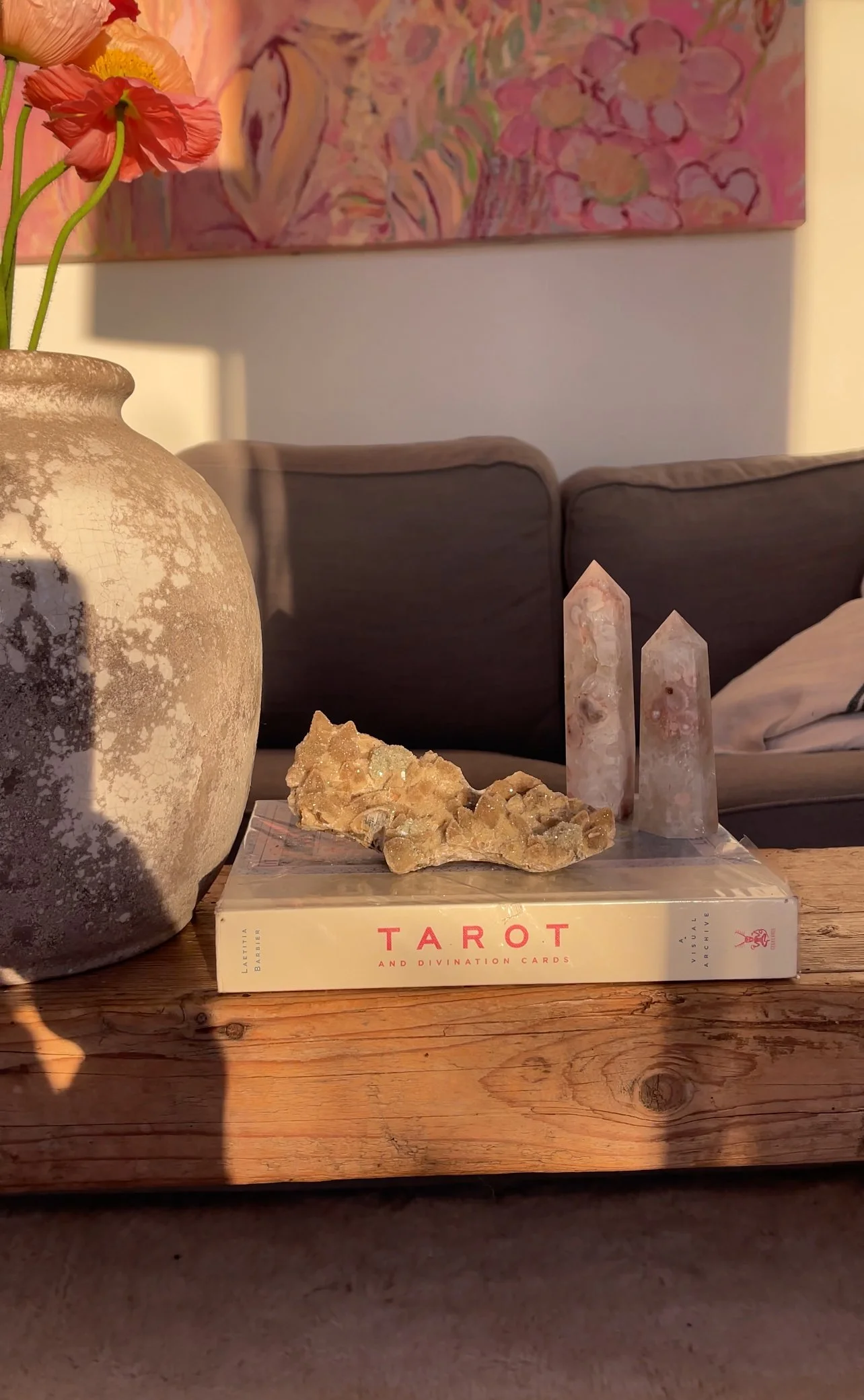
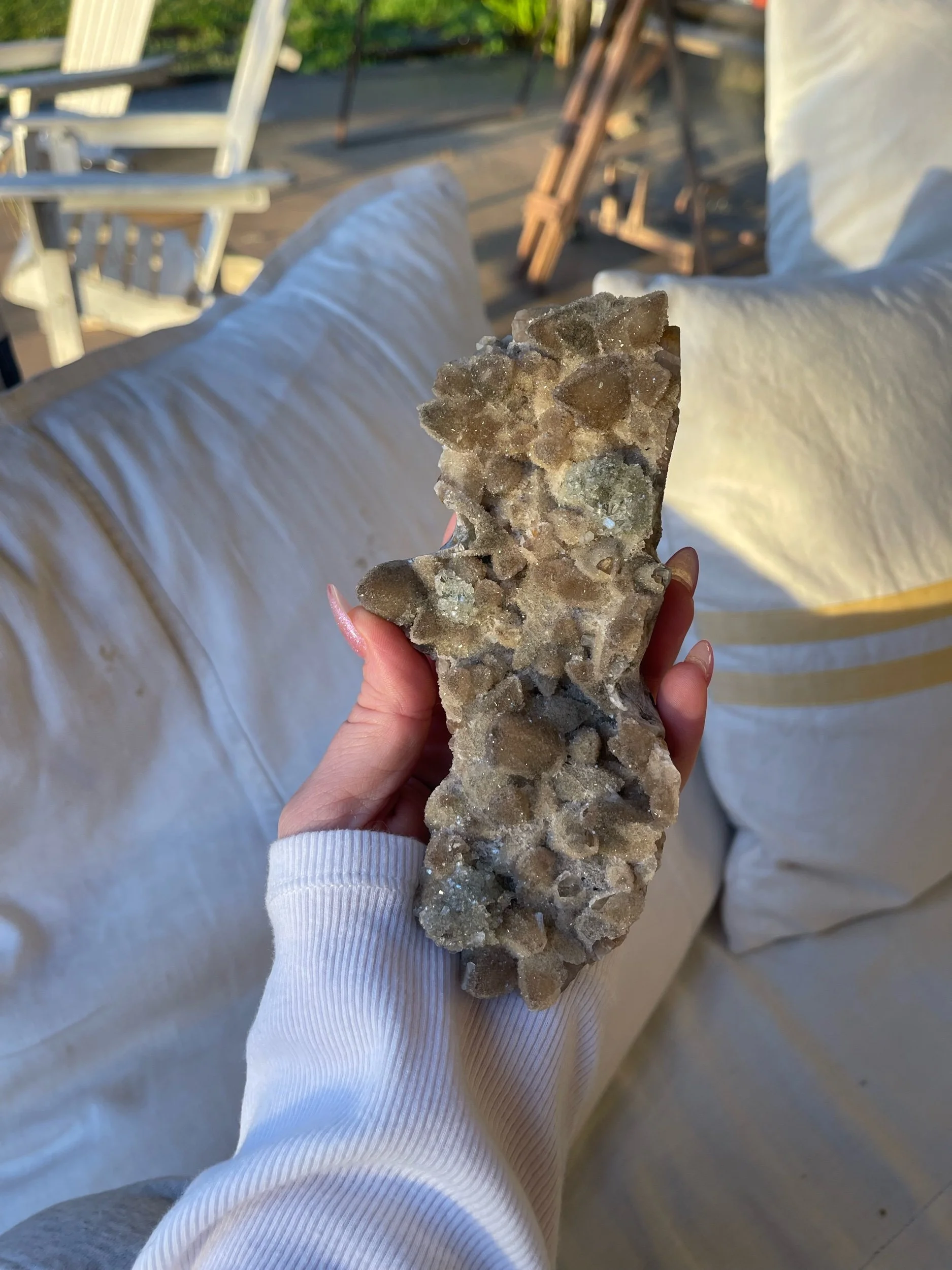
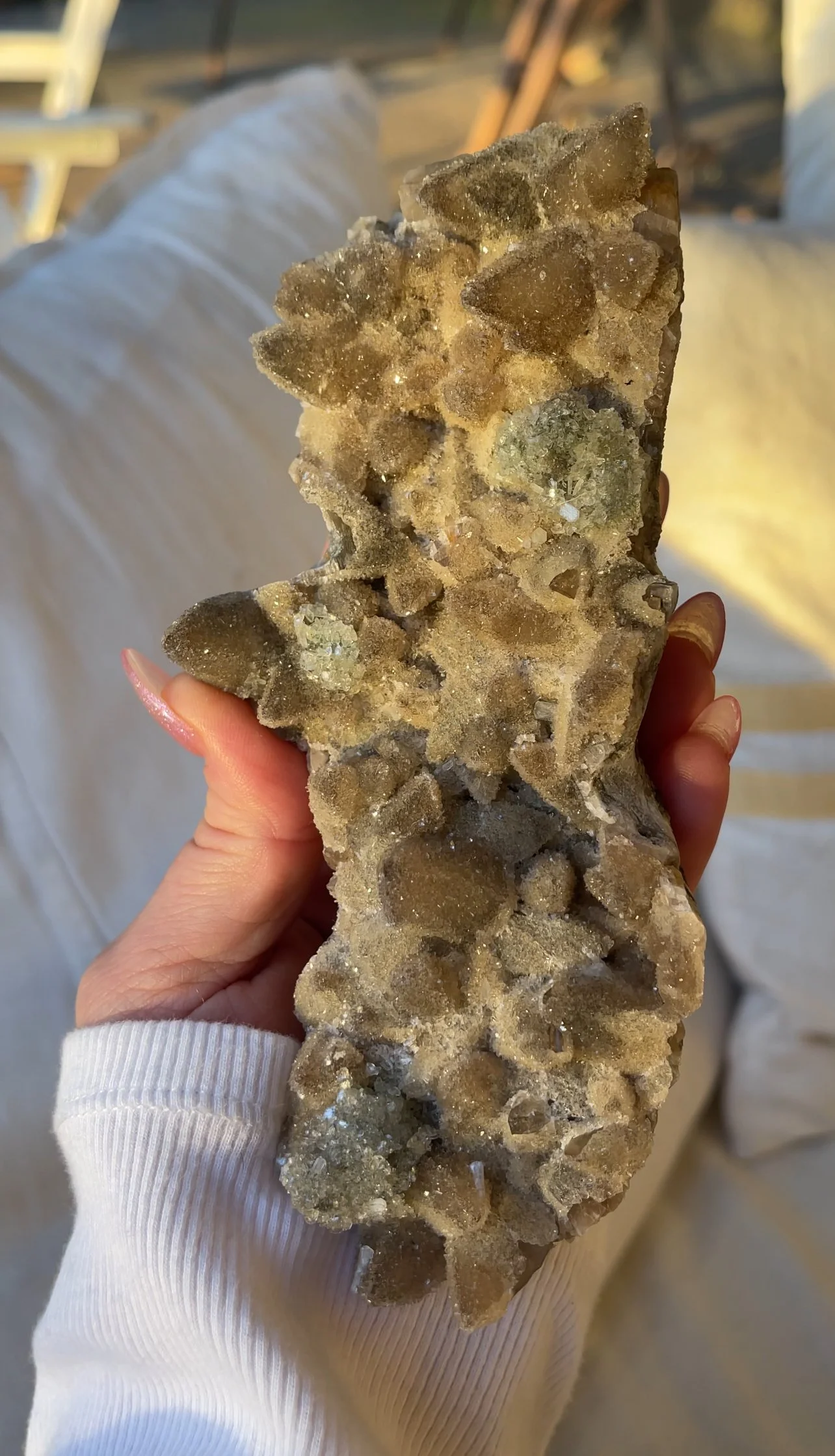
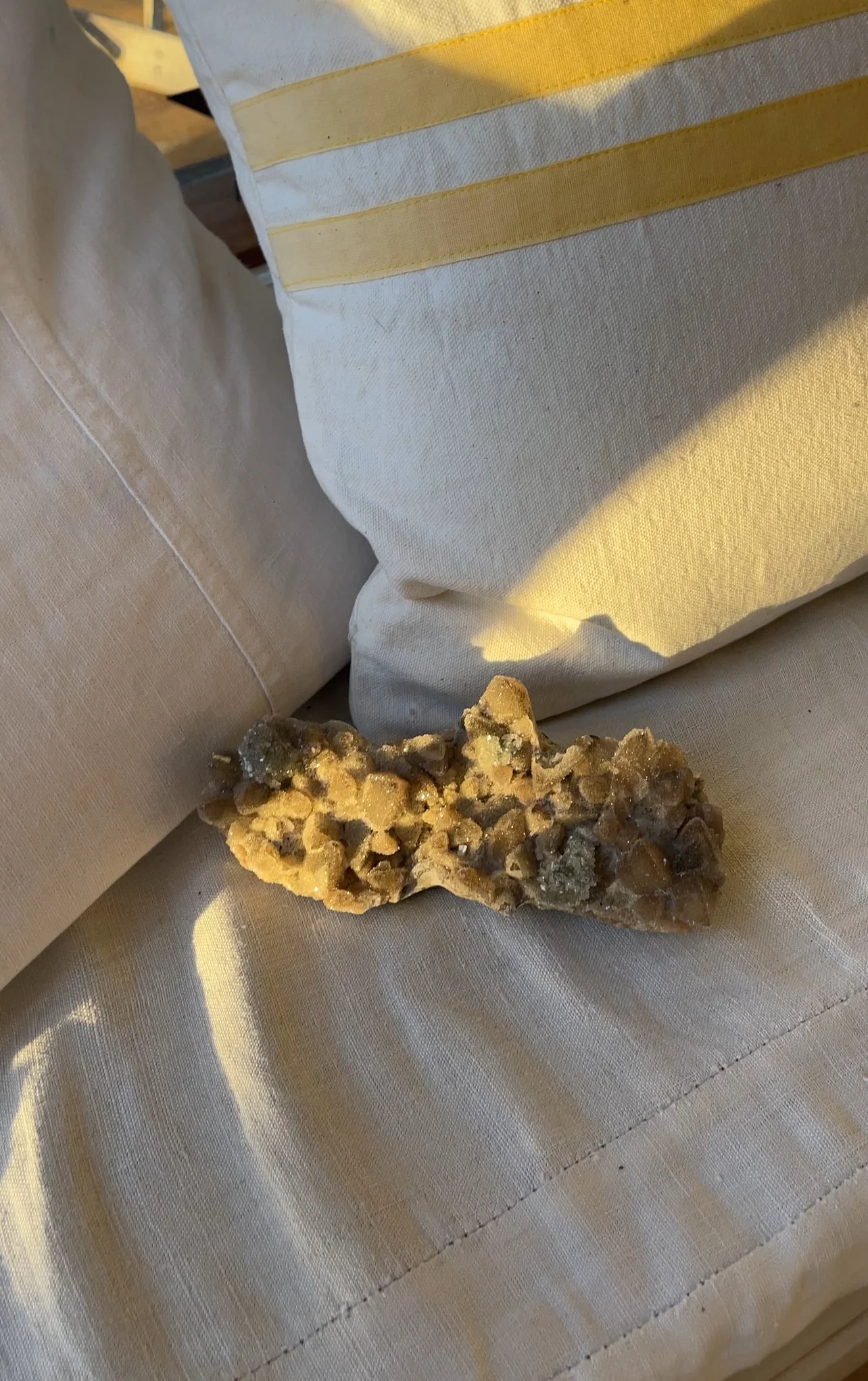
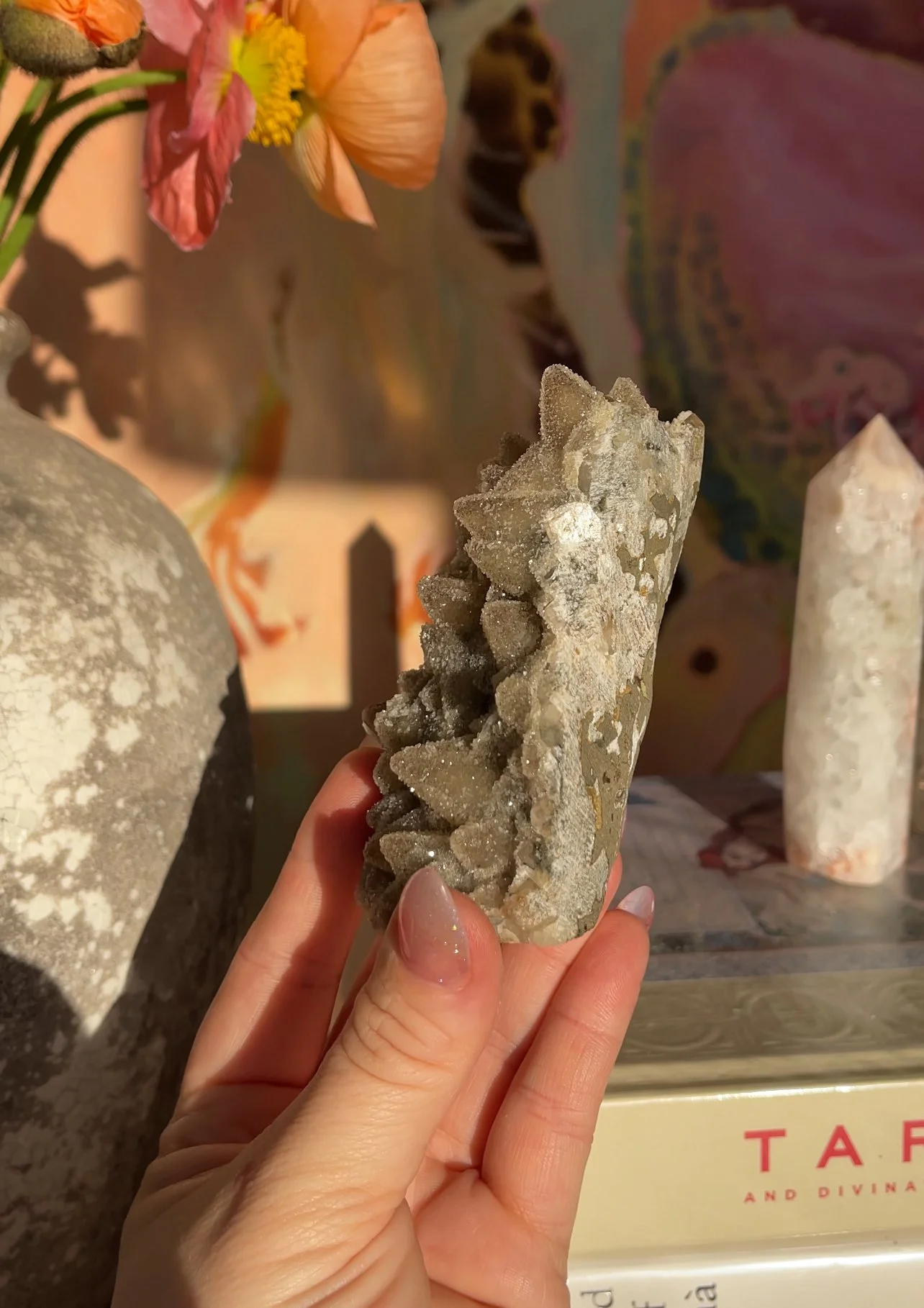
Mineral: Sugar-Coated Star Calcite on Microcrystalline Red Hematite
Locality: Khadakwani Quarry, Khargone District, Madhya Pradesh, India
Find: 2026
SUBRA ✦ OMICRON LEONIS
“The Lion’s Back”
Grace · Expression · Confidence · Self-Possession
Subra is a star system in the constellation Leo. Its traditional name comes from the Arabic zubra, meaning “the upper part of the back.”
In traditional fixed-star astrology, Subra is associated with the planetary nature of Venus and Mercury. Venus bringing grace, attraction and harmony, while Mercury brings intellect, expression and perception.
Spiritually, this gives Subra an energy of carrying yourself with confidence and grace, trusting your own mind, expressing yourself authentically and allowing your presence to speak for itself.
A star for standing confidently in who you are and expressing yourself without shrinking.
Subra is part of a multiple-star system, with the principal star itself belonging to a close spectroscopic pair. A spectroscopic pair is two stars orbiting each other so closely that we can’t easily see them as two separate stars through a telescope. Astronomers know there are two because their light spectrum shifts as they orbit one another.
Mineral: Sugar-Coated Star Calcite on Microcrystalline Red Hematite
Locality: Khadakwani Quarry, Khargone District, Madhya Pradesh, India
Find: 2026